




03:56 20 July 2014 Las Vegas North American Bridge Championships by GS Jade Barrett CsbNews.org correspondent
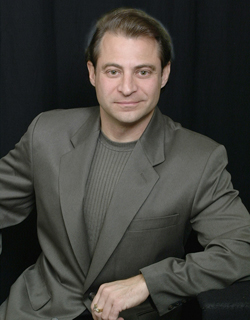
“If the risk is fully aligned with your purpose and mission, then it’s worth considering” – Peter Diamandis
The number of losses at the bridge table I have witnessed – as well as been a part of – that are attributable to “fear” are well beyond measure. Over the last five years alone, I have heard the word used by countless athletes of all levels, providing the existence of “fear” as a major contributor to the reason that they failed to take a particular action, whether bidding or passing, defending or declaring.
There is simply no aspect of the game that “fear” cannot impact.
The most common expressions of “fear” pertains to the risk of failure – typically related to the decision to overcall. The risk/reward standard is unknown to most participants of the sport, proving that you can be a well educated, successful member of the community of players and still not comprehend the nature of the game.
I equate it with the swinging of the bat in baseball, shooting a basketball or perhaps addressing a near impossible golf shot. All of these actions require an effort that carries risk – but to not make the effort is to fail.
Every bridge deal presents problems; often fraught with peril. The novice acts with more reckless abandon, unaware of the dangers that lurk just beyond the horizon. Their inexperience allows them the comfort of ignorance to some extent, for they simply do not recognize the threat. As they improve, their knowledge of the game affords them the ability to appreciate the opportunity for loss in given situations. When well applied, this wisdom provides a platform for the successful weighing of risk versus reward.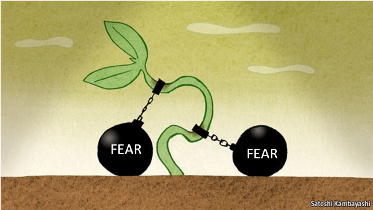
The recurring issue of potential failure often clouds this decision making process, however, and this state of “fear” becomes an obstacle to truly constructive reasoning. While not all fears are irrational, the actions generated by them are utterly suspect – even when they are successful. The resulting experience of a hand governed by this emotion rarely adds clear and strong data, regularly preventing the true lesson of the deal. Simply phrased, “fear” inhibits growth.
The expression of concern that a partner might not understand a bid or signal is a frequent excuse utilized by the fearful athlete, and one that I am personally unsympathetic with. Using that concern as a motivation is akin to expressing doubt in the quality of the other half of your pair. It is difficult to achieve consistent results without the occasional experiment. While a fair number of these efforts work out poorly, many more succeed. At the very least, they provide an excellent opportunity for discussions that evolve both your game and your methods.
The failure to take a specific action due to the fear of losing face is a sign of an unsure – if not incompetent – competitor. True competitors do not care how they appear, and are prepared for loss. This state of mind is incredibly healthy, allowing the player a far better chance of learning from the experience, be it good or bad. The key is to take the actions you wish, recognizing that some bids, plays or silence will not score well, but firm in the belief that you will make the right decision the next time this type of problem arises.
May I suggest that you select a partner with a good sense of humor.